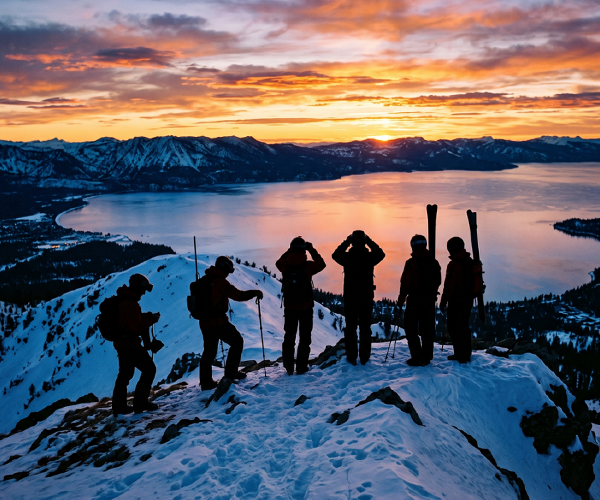
Lake Tahoe is beautiful. It’s also unforgiving. When storms roll in from Alaska, dumping multiple feet of snow in hours and winds that howl at eighty miles per hour, mountains transform from playground to battleground.
In his novel “Responding to Save Others: A Story of Duty, Sacrifice, and Courage,” John Doolittle captures the intensity of winter in the Sierra Nevada through the eyes of ski patrollers confronting a massive storm system. But this isn’t just about weather. It’s about human resilience when facing nature’s power.
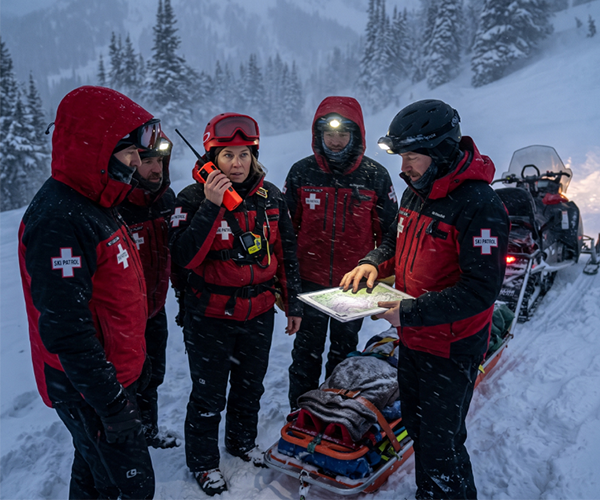
“Responding to Save Others” opens with a gripping prologue: a patroller discovering a skier buried in snow. From there, the story unfolds across two days of escalating conditions and emergencies. John Doolittle authentically portrays what happens when mountains demand everything patrollers can give. The training kicks in. The teamwork emerges. The dedication becomes visible.
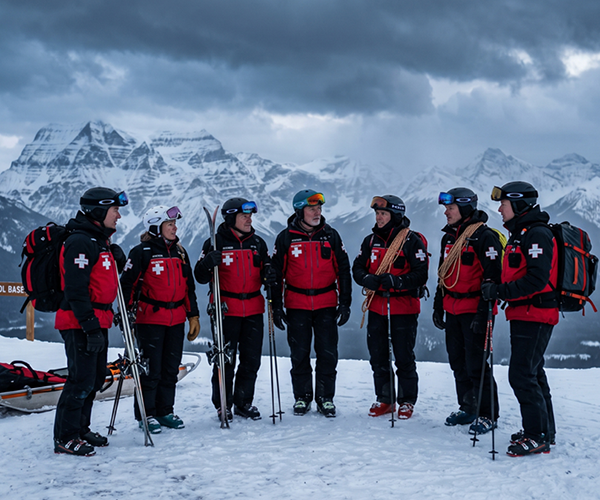
What makes “Responding to Save Others” compelling is its realism. These aren’t superhero moments. They’re ordinary people performing extraordinary responsibilities during extraordinary conditions. As Doolittle illustrates in his novel, patrollers struggle with cold, exhaustion, fear, and doubt. They push through anyway.
“Responding to Save Others” explores profound questions about duty and sacrifice. Why do people choose to work in these conditions? What compels someone to risk themselves for strangers? How do we find meaning in service? John Doolittle’s powerful narrative answers these questions not through philosophy but through action and character, showing how resilience isn’t heroic posturing but quiet determination to help others survive.